
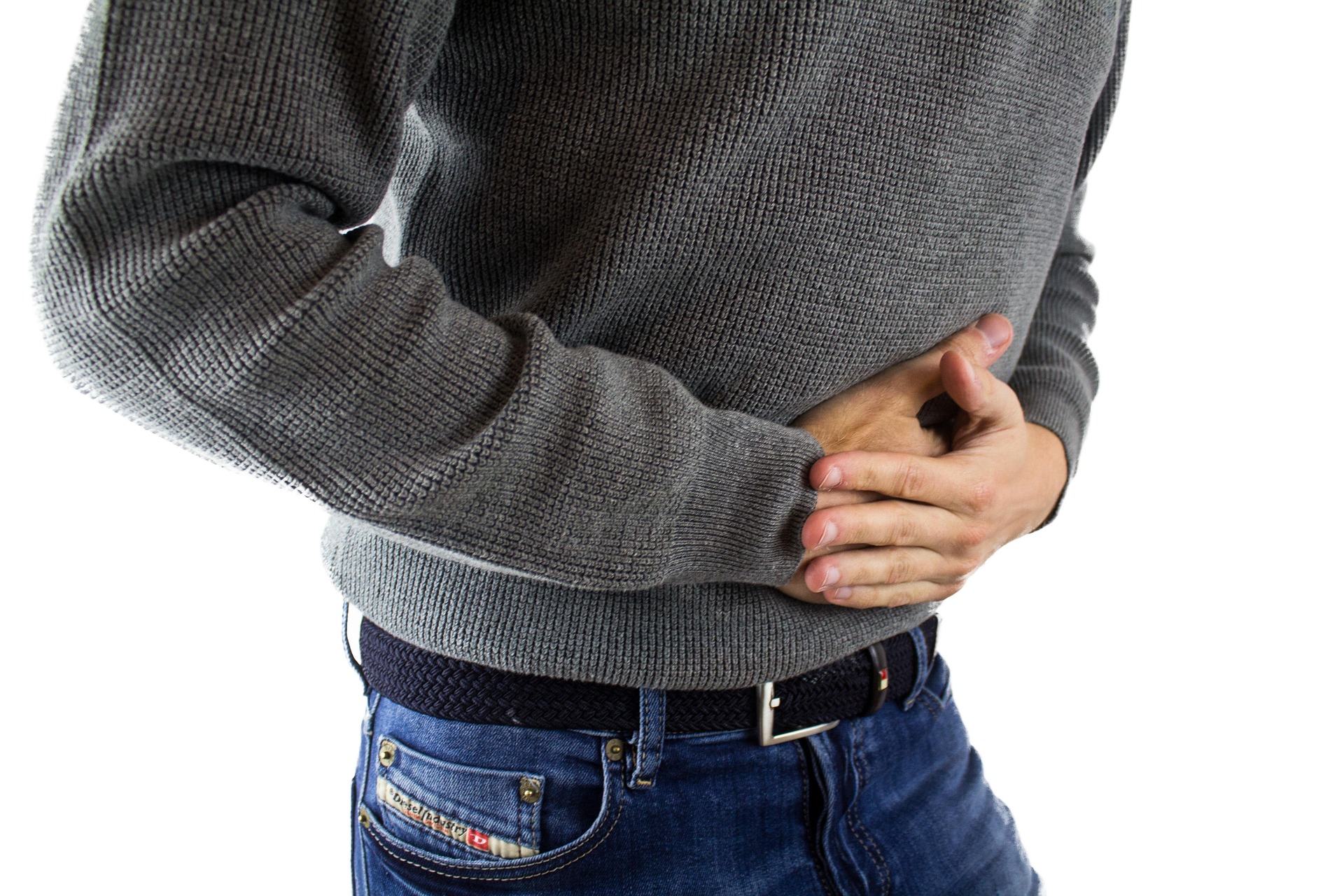
Gastroparesis begins with understanding how the stomach normally moves food through the digestive system. When gastric emptying becomes abnormally slow, food can remain in the stomach longer than expected, contributing to nausea, early fullness, bloating, abdominal discomfort, and difficulty maintaining adequate nutrition.
Gastroparesis can have many causes. Diabetes and certain medications are well-recognized contributors, while post-viral illness, surgery, and some neurologic conditions may also affect gastric motility. GLP-1 medications such as Ozempic®, Wegovy®, Mounjaro®, and Zepbound® have also brought greater attention to delayed gastric emptying because slowing stomach emptying is part of how these medications work.
Understanding why symptoms are occurring is important because treatment depends not only on the symptoms themselves, but also on the underlying cause.
Gastroparesis: What Is It?
Gastroparesis—a term that means “stomach paralysis”—is characterized by delayed gastric emptying in the absence of a mechanical blockage.
Normally, coordinated muscular contractions move food through the stomach and into the small intestine. This process depends on communication between the stomach muscles, the enteric nervous system, the vagus nerve, and numerous hormonal and chemical signals.
When this coordinated process is disrupted, food and liquid may remain in the stomach longer than expected.
Common symptoms can include:
- Nausea or vomiting
- Feeling full after eating only a small amount
- Prolonged fullness after meals
- Bloating or upper abdominal discomfort
- Upper abdominal pain or pressure
- Changes in appetite
- Unintentional weight loss or difficulty maintaining adequate nutrition
- Fluctuations in blood glucose, particularly in people with diabetes
Symptoms can vary considerably from one person to another and do not always correlate directly with the degree of delayed gastric emptying.
Seek prompt medical attention if you cannot keep fluids down, develop signs of dehydration, experience severe or worsening abdominal pain, or notice black or bloody stools.
Understanding Gastroparesis and Why It Occurs
Healthy digestion relies on carefully coordinated communication between the nervous system, gastrointestinal muscles, and hormonal signals.
In a healthy digestive system:
- Stomach muscles mechanically break down and mix food into a semi-liquid mixture called chyme.
- The vagus nerve participates in communication between the brain and digestive tract and helps regulate gastric function.
- The enteric nervous system coordinates many digestive processes locally within the gastrointestinal tract.
- Hormones and neurotransmitters help regulate gastric secretions, appetite, and motility.
When one or more parts of this system are disrupted, gastric emptying may slow.
Gastroparesis Causes
1. Diabetes
Diabetes is one of the best-recognized causes of gastroparesis.
Over time, chronically elevated blood glucose can affect nerves involved in digestion, including the vagus nerve, as well as other components of gastrointestinal neuromuscular function.
Both type 1 and type 2 diabetes can be associated with gastroparesis.
Blood glucose and gastric emptying can also influence one another. High blood glucose may further slow gastric emptying, while unpredictable stomach emptying can make the timing of glucose absorption more difficult to anticipate.
2. Medications That Slow Gastric Emptying
Medication review is an important part of understanding gastroparesis, particularly when symptoms begin or worsen after starting a new medication or increasing a dose.
Several types of medications can affect gastrointestinal motility.
GLP-1 Receptor Agonists
GLP-1 receptor agonists and related medications include:
- Semaglutide (Ozempic®, Wegovy®)
- Tirzepatide (Mounjaro®, Zepbound®)
- Liraglutide (Victoza®, Saxenda®)
- Dulaglutide (Trulicity®)
- Exenatide (Byetta®, Bydureon®)
These medications influence appetite, glucose regulation, and gastrointestinal motility. Slowing gastric emptying is one of their physiological effects, although the magnitude of this effect can vary depending on the medication, dose, duration of treatment, and individual patient factors.
Some people experience nausea, early fullness, bloating, constipation, vomiting, or other gastrointestinal symptoms, particularly when treatment is initiated or the dose is increased.
Delayed gastric emptying while taking a GLP-1 medication does not automatically mean that someone has developed chronic or permanent gastroparesis.
Persistent or significant symptoms warrant evaluation by the prescribing clinician, particularly when there is recurrent vomiting, inability to maintain adequate food or fluid intake, substantial abdominal distension, or unexplained weight loss.
People taking GLP-1 medications who are scheduled for surgery, endoscopy, or another procedure involving sedation or anesthesia should follow the individualized instructions of their procedural and prescribing teams. Recommendations may vary according to gastrointestinal symptoms, medication dosing, treatment phase, aspiration risk, and the type of procedure.
Anticholinergic Medications
Anticholinergic medications reduce the activity of acetylcholine, a neurotransmitter involved in gastrointestinal muscle contraction.
Examples may include certain:
- Antihistamines
- Tricyclic antidepressants
- Bladder antispasmodics
- Antipsychotic medications
- Medications used in Parkinson’s disease
These medications may be medically necessary, but they should be considered during medication review when persistent nausea, bloating, constipation, or early fullness develops.
Opioids
Opioid medications such as oxycodone, hydrocodone, tramadol, and morphine can slow gastrointestinal motility.
For people experiencing gastroparesis or significant delayed gastric emptying, opioid use should be discussed with the prescribing clinician when appropriate.
Medications should not be stopped or changed without guidance from the healthcare professional managing them.
3. Post-Viral Gastroparesis
In some individuals, symptoms of gastroparesis begin following a viral illness.
The proposed mechanism may involve temporary or longer-lasting disruption of nerves or other components involved in gastric motility.
Some cases gradually improve over time, although recovery can vary considerably.
4. Post-Surgical and Neurologic Causes
Certain surgeries involving the upper gastrointestinal tract may affect the vagus nerve or other structures involved in gastric motility.
Gastroparesis or delayed gastric emptying may also occur in association with neurologic conditions that affect autonomic or gastrointestinal function.
These can include conditions such as Parkinson’s disease and other neurologic disorders.
5. Idiopathic Gastroparesis
Sometimes no clear underlying cause can be identified. This is known as idiopathic gastroparesis.
Symptoms and physiology can be complex, and more than one factor may contribute to an individual’s digestive difficulties.
Gastroparesis and Functional Dyspepsia
One of the challenges in understanding gastroparesis is that symptoms can overlap considerably with other gastrointestinal disorders.
Functional dyspepsia is a disorder of gut-brain interaction that can cause:
- Early satiety
- Post-meal fullness
- Upper abdominal discomfort
- Bloating
- Nausea
Gastroparesis and functional dyspepsia are distinct diagnoses, but there can be significant overlap in symptoms and underlying physiology.
This is one reason symptoms alone cannot reliably diagnose gastroparesis.
Gastroparesis Diagnosis and Testing
Evaluation typically begins with a detailed medical history, medication review, physical examination, and appropriate testing.
Other possible causes of symptoms, including a physical obstruction, generally need to be excluded.
Laboratory Evaluation
Depending on the individual, laboratory testing may include:
- Complete blood count
- Comprehensive metabolic panel and electrolytes
- Blood glucose and HbA1c
- Thyroid testing
- Additional testing based on symptoms and medical history
Gastric Emptying Testing
A standardized gastric emptying study is commonly used to objectively assess how quickly food leaves the stomach.
Gastric emptying scintigraphy involves eating a standardized meal containing a small amount of radioactive tracer. Imaging then measures how much of the meal remains in the stomach over several hours.
A properly performed four-hour gastric emptying study is commonly used when evaluating suspected gastroparesis.
Other methods, including certain breath tests, may be appropriate in some circumstances.
Medications that alter gastrointestinal motility may need to be temporarily adjusted before testing when medically appropriate. Patients should follow the specific preparation instructions provided by the testing facility and prescribing clinicians.
Managing Gastroparesis
An important part of understanding gastroparesis is recognizing that treatment is not one-size-fits-all. Management should be individualized based on the underlying cause, severity of symptoms, nutritional status, medications, and results of diagnostic testing.
Care may involve a gastroenterologist, primary care provider, registered dietitian, endocrinologist, and other healthcare professionals working together to address each person’s individual needs
Nutrition and Gastroparesis Management
Nutrition is a cornerstone of gastroparesis management.
Depending on symptom severity, recommendations may include:
- Eating smaller, more frequent meals
- Adjusting meal texture
- Choosing softer or more easily digested foods when needed
- Modifying fat and certain types or amounts of fiber when they aggravate symptoms
- Using nutrient-dense liquids when solid foods are poorly tolerated
- Maintaining adequate hydration and nutrition
Dietary recommendations should be individualized. Overly restrictive diets can increase the risk of inadequate calorie, protein, vitamin, and mineral intake.
For people with significant symptoms, unintended weight loss, or difficulty meeting nutritional needs, working with a registered dietitian familiar with gastrointestinal motility disorders can be particularly helpful.
If you have a current or past eating disorder, it is important to tell your healthcare team so that nutrition recommendations can support adequate nourishment without introducing unnecessary restriction.
Blood Glucose Management
For people with diabetes, blood glucose management is an important component of care.
Elevated blood glucose itself can affect gastric emptying, while delayed and unpredictable gastric emptying can complicate glucose management.
This relationship may require individualized coordination between gastroenterology, primary care, endocrinology, and nutrition professionals.
Gastroparesis and the Gut-Brain Connection
The digestive and nervous systems are closely interconnected.
The vagus nerve is one component of the bidirectional communication network between the brain and gastrointestinal tract and participates in regulating digestive function.
Strategies such as slow diaphragmatic breathing, appropriate physical activity, restorative sleep, stress management, and meaningful social connection may support broader autonomic regulation and overall well-being.
For a deeper look at this connection, read The Vagus Nerve: A Key to Health and Healing.
Medical Treatment for Gastroparesis
Medical treatment depends on the individual and should be directed by the appropriate healthcare provider.
Prokinetic Medications
Prokinetic medications are used to promote gastrointestinal motility.
Options may include medications such as:
Metoclopramide: May improve gastric emptying and reduce symptoms in selected patients. Because it carries important potential adverse effects, risks and benefits should be carefully discussed with the prescribing clinician.
Domperidone: Used in certain circumstances and jurisdictions, with appropriate cardiac risk assessment and monitoring.
Erythromycin: Can stimulate gastric motility through its effects on motilin receptors but is generally more useful in selected or shorter-term situations because its effectiveness may diminish over time.
Other medications may be considered depending on the clinical circumstances.
Managing Nausea and Vomiting
Antiemetic medications may be prescribed to help control nausea and vomiting.
These medications can improve symptoms but do not necessarily correct the underlying delay in gastric emptying.
Treatment is individualized according to symptom severity, other medications, medical history, and potential adverse effects.
Advanced Gastroparesis Treatment Options
For people with severe or refractory gastroparesis, specialist treatment options may be considered.
These can include:
G-POEM
Gastric peroral endoscopic myotomy, or G-POEM, is an endoscopic procedure that targets the pylorus—the muscular outlet between the stomach and small intestine.
It may be considered for carefully selected patients whose symptoms have not responded adequately to more conservative treatment.
Gastric Electrical Stimulation
Gastric electrical stimulation involves an implanted device that delivers electrical impulses to the stomach.
It may be considered in selected patients with severe, refractory symptoms, particularly nausea and vomiting.
Nutrition and Feeding Support
In severe cases where adequate nutrition or hydration cannot be maintained orally, temporary or longer-term enteral nutrition strategies may be necessary.
These decisions require specialist medical and nutritional management.
Integrative Support for Gastroparesis
At Raleigh Health & Wellness Center, integrative therapies are used as adjuncts to—not replacements for—appropriate gastroenterology and medical care.
Acupuncture
Acupuncture has been studied as a complementary approach for gastrointestinal symptoms, including nausea, vomiting, and some symptoms associated with functional gastrointestinal disorders and gastroparesis.
The evidence varies by condition and study quality, so acupuncture should not be presented as a treatment that reverses the underlying cause of gastroparesis.
Rather, it may be incorporated into a broader care plan to support symptom management, relaxation, and overall well-being.
Nervous System and Mind-Body Support
Breathing exercises, mindfulness, guided imagery, and other mind-body practices may help some individuals manage stress and cope with the burden of chronic gastrointestinal symptoms.
These approaches complement rather than replace medical evaluation and treatment.
Collaborative Nutrition Support
We can help patients understand and implement recommendations from their gastroenterologist and registered dietitian, including meal pacing, food texture, and practical strategies for navigating daily life with digestive symptoms.
Frequently Asked Questions About Gastroparesis
Is Gastroparesis Permanent?
Not necessarily.
The course depends partly on the underlying cause. Some medication-associated or post-infectious cases may improve, while diabetic, idiopathic, neurologic, or postsurgical gastroparesis may require longer-term management.
Individual outcomes vary, which is why identifying potential contributing factors is so important.
Can GLP-1 Medications Worsen Delayed Gastric Emptying?
GLP-1 receptor agonists slow gastric emptying as part of their pharmacologic effects, particularly in certain circumstances and individuals.
Some people develop significant gastrointestinal symptoms while taking these medications. However, delayed gastric emptying associated with a medication should not automatically be equated with permanent gastroparesis.
New, persistent, or severe symptoms should be discussed with the prescribing clinician rather than stopping the medication without medical guidance.
What If I Am Taking a GLP-1 Medication and Need a Procedure?
Tell your procedural, anesthesia, and prescribing teams which medication you take, your dose, when you last took it, whether you are currently increasing the dose, and whether you have symptoms such as nausea, vomiting, bloating, or prolonged fullness.
Peri-procedural management is individualized. Do not automatically stop a GLP-1 medication based on older blanket recommendations; follow the instructions provided by your healthcare team.
Can Exercise Help?
Gentle physical activity, such as walking after meals, may be helpful for some people and can support overall metabolic and gastrointestinal health.
Exercise recommendations should be adapted to symptoms, nutritional status, and overall health.
Does Acupuncture Replace Medical Treatment?
No.
Gastroparesis requires appropriate medical evaluation, particularly when symptoms are persistent or severe.
Acupuncture can be incorporated as a complementary therapy alongside conventional medical and nutritional care when appropriate.
Key Takeaways: Understanding Gastroparesis
Gastroparesis requires looking beyond symptoms alone.
Gastroparesis involves objectively delayed gastric emptying without a mechanical obstruction, but nausea, bloating, early satiety, and post-meal discomfort can occur in several gastrointestinal conditions.
Diabetes, medications—including GLP-1 receptor agonists and opioids—postsurgical changes, neurologic conditions, and post-infectious changes may all contribute to delayed gastric emptying.
Effective management is individualized and may include medical treatment, medication review, nutrition strategies, blood glucose management, and supportive approaches to overall well-being.
Most importantly, persistent digestive symptoms deserve proper evaluation rather than assuming that every case of nausea, fullness, or bloating represents gastroparesis.
How We Can Help
At Raleigh Health & Wellness Center, we work alongside your existing healthcare team to provide complementary support for people navigating complex digestive concerns.
Our approach may incorporate acupuncture, nervous system support, and practical integrative strategies while your gastroenterologist and other medical providers oversee diagnosis and medical treatment.
If you are experiencing persistent digestive symptoms, appropriate medical evaluation should always come first. Once serious or structural causes have been evaluated, integrative care can become one part of a broader, individualized plan.
References
-
Camilleri, M., Kuo, B., Nguyen, L., Vaughn, V.M., Petrey, J., Greer, K., Yadlapati, R. & Abell, T.L., 2022. ACG Clinical Guideline: Gastroparesis. American Journal of Gastroenterology, 117(8), pp.1197–1220.
-
Chaudhry, A., Gabriel, B., Noor, J., Jawad, S. & Challa, S.R., 2024. Tendency of Semaglutide to Induce Gastroparesis: A Case Report. Cureus, 16(1), e52564.
-
Grover, M., Farrugia, G. & Stanghellini, V., 2019. Gastroparesis: A Turning Point in Understanding and Treatment. Gut, 68(12), pp.2238–2250.
-
Hashash, J.G., Thompson, C.C. & Wang, A.Y., 2024. AGA Rapid Clinical Practice Update on the Management of Patients Taking GLP-1 Receptor Agonists Prior to Endoscopy: Communication. Clinical Gastroenterology and Hepatology, 22(4), pp.705–707.
-
Khashab, M.A., Wang, A.Y. & Cai, Q., 2023. AGA Clinical Practice Update on Gastric Peroral Endoscopic Myotomy for Gastroparesis: Commentary. Gastroenterology, 164(7), pp.1329–1335.e1.
-
Lacy, B.E., Tack, J. & Gyawali, C.P., 2022. AGA Clinical Practice Update on Management of Medically Refractory Gastroparesis: Expert Review. Clinical Gastroenterology and Hepatology, 20(3), pp.491–500.
-
Olausson, E.A., Störsrud, S., Grundin, H., Isaksson, M., Attvall, S. & Simrén, M., 2014. A Small Particle Size Diet Reduces Upper Gastrointestinal Symptoms in Patients with Diabetic Gastroparesis: A Randomized Controlled Trial. American Journal of Gastroenterology, 109(3), pp.375–385.
-
Parkman, H.P., Hasler, W.L. & Fisher, R.S., 2004. American Gastroenterological Association Medical Position Statement: Diagnosis and Treatment of Gastroparesis. Gastroenterology, 127(5), pp.1589–1591.
-
Parrish, C.R. & Yoshida, C.M., 2005. Nutrition Intervention for the Patient with Gastroparesis: An Update. Practical Gastroenterology, 29(8), pp.29–66. The linked version is the full-text article PDF hosted by the University of Virginia.